Create Functional Art by Upcycling Discarded Materials
Functional art transforms ordinary objects into pieces that blend aesthetic appeal with everyday utility. But what if the material used is also environmentally friendly? Upcycling discarded materials into functional art is not only a creative outlet but a revolutionary approach to sustainability. This comprehensive article dives deep into how to create functional art through upcycling, the benefits, techniques, inspiring project ideas, and tips for getting started--offering practical advice for beginners and seasoned artists alike.
Understanding Upcycling and Its Role in Functional Art
Before embarking on your journey to create functional art with upcycled materials, it's essential to understand the concepts at play.
What is Upcycling?
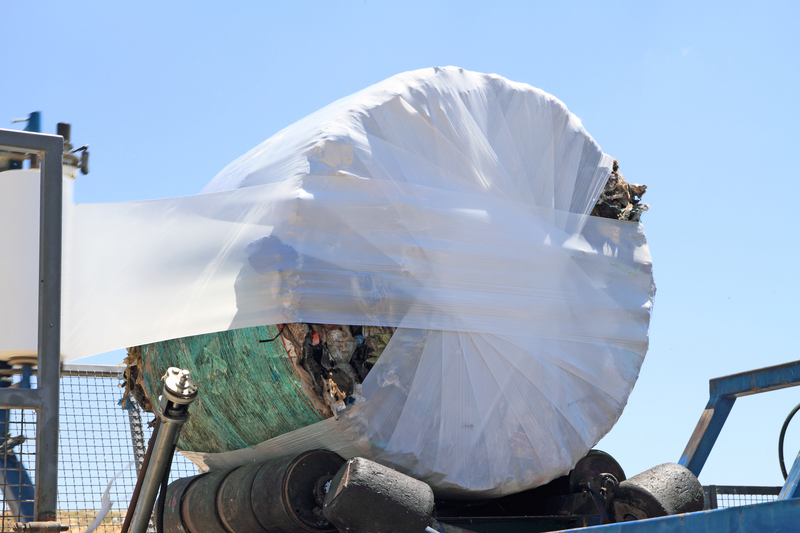
Upcycling involves reusing discarded or unused materials and converting them into products of higher quality or environmental value. Unlike recycling, which often breaks materials down to their raw form, upcycling retains the original material's integrity while enhancing its purpose. The result? Less waste, less pollution, and a more creative world.
What is Functional Art?
Functional art refers to objects that serve practical purposes while also providing aesthetic enjoyment. These pieces can range from furniture to lighting, home decor, and storage solutions. Combining functionality with artistic design, such works challenge the boundary between art and utility.
Why Upcycle Discarded Materials for Functional Art?
- Environmental Benefits: Extends the life of materials, reduces landfill waste, and conserves resources.
- Creative Problem Solving: Encourages innovative use of materials and fosters ingenuity.
- Unique Results: Produces one-of-a-kind pieces with history and character.
- Affordability: Reduces material costs, allowing for art creation on a budget.
- Community Engagement: Promotes collaboration, education, and social awareness.
Benefits of Creating Functional Art from Discarded Materials
Environmental Impact
By choosing to upcycle waste into functional art, you contribute to reducing your carbon footprint. Discarded materials are often destined for landfills, where they take centuries to decompose. Converting these would-be pollutants into art helps ease resource depletion and supports a circular economy.
Personal Fulfillment
Crafting functional pieces from upcycled materials provides a sense of accomplishment incomparable to mass-produced purchases. You'll not only gain a functional object but also the satisfaction of knowing you made something truly unique and environmentally responsible.
Economic Advantages
Whether for personal use or profit, upcycling into functional art saves money. Many discarded materials can be sourced for free or at minimal cost, making it a savvy choice for small business ventures, hobbyists, and educators alike.
Choosing Materials for Upcycled Functional Art
The first step in creating functional art from discarded materials is finding the right resources. Almost anything can be upcycled--if you look creatively!
Popular Materials to Upcycle
- Wood: Old pallets, furniture, flooring, and scraps lend themselves to tables, shelves, and wall art.
- Glass: Jars, bottles, and windows can become lighting fixtures, storage containers, or mosaic art.
- Metal: Cans, wire, and car parts transform into sculptures, stools, and garden accessories.
- Fabric: Clothing, linens, and upholstery are ideal for tote bags, pillows, or seat covers.
- Plastic: Bottles, containers, and packaging might become organizers, planters, or even furniture.
- Paper and Cardboard: Magazines, boxes, and tubes can serve as lampshades, jewelry, or stationery.
- Electronics: Old CDs, circuit boards, or cables repurposed into clocks, coasters, or modern art.
Where to Find Discarded Materials
- Community swaps or freecycle events
- Recycling centers and thrift stores
- Construction site dumpsters (with permission)
- Online marketplaces (free or low-cost sections)
- Curbside collection or garage sales
Techniques for Upcycling Materials into Functional Art
Successful upcycling into functional objects demands careful planning, safety, and creativity. Here are some fundamental techniques to turn your discarded finds into masterpieces:
Preparation: Cleaning and Sorting
- Clean all materials thoroughly to remove dirt, labels, and residues.
- Sort items by material; this makes design and assembly easier.
- Inspect for structural soundness, especially if making functional furniture or weight-bearing pieces.
Designing Your Functional Art Project
- Sketch or plan your design, considering how the material's original shape and texture can be an asset.
- Prioritize function: Will it hold weight, store items, light a space, or serve another purpose?
- Choose a style--rustic, industrial, modern, eclectic--that complements both the materials and intended use.
Assembly Techniques
- Use screws, nails, or glue depending on the material's properties.
- Welding or soldering may be necessary for metals--always follow safety precautions.
- Basic woodworking, sewing, or crafting skills are often all you need.
- Eco-friendly finishes like natural oils, wax, or water-based sealers preserve your creation and the environment.
Safety Considerations
- Wear gloves, masks, and safety goggles when cutting, sanding, or welding.
- Be aware of sharp edges, rust, or toxic finishes on old materials.
- For pieces intended for food or children, research the safety of all components.
Functional Art Upcycling Project Ideas
Ready to start creating? Here are inspiring project ideas to upcycle waste materials into useful art:
1. Pallet Coffee Table
Repurpose old shipping pallets into a rustic, sturdy coffee table. Sand, stain, and seal the wood, add casters or legs if desired, and consider attaching recycled glass as the tabletop for a chic twist.
2. Mason Jar Chandeliers
Upcycled glass jars can become stunning pendant lighting. Wire jars together, install sockets and bulbs, and hang your new eco-friendly chandelier in a kitchen, patio, or workspace.
3. Tire Ottoman or Planter
Old tires become unique ottomans by wrapping with thick rope or fabric, securing both sides, and adding a padded top. Alternatively, paint them in vibrant colors and use as raised garden beds or large planters.
4. Upcycled Denim Organizer
Don't discard worn-out jeans! Cut pockets and seams to create wall-hanging organizers for tools, art supplies, or mail. Mount on wooden planks salvaged from crates or pallets for added structure.
5. Metal Can Tool Caddy
Large tin cans, painted or wrapped in fabric, screwed onto a reclaimed wood plank, make portable caddies for utensils, art supplies, or gardening tools.
6. CD Mosaic Mirror
Broken CDs shimmer when arranged into a mosaic frame around a mirror. The result is a striking, modern piece that recycles obsolete electronics stylishly.
7. Bookshelf from Old Ladders
Vintage wooden ladders, secured horizontally to the wall, become instant open shelving, perfect for plants, books, or decor. Paint or stain to match your space.
8. Suitcase Chair
Sturdy, hard-shell vintage suitcases can be transformed into retro chairs. Clean and reinforce the structure, add wood legs, and top with a custom seat cushion.
Step-by-Step Guide: Turning an Old Wooden Door into a Hallway Bench
Need a practical project? Here's a step-by-step tutorial for upcycling an old door into a functional bench:
- Gather Supplies: Old wooden door, saw, screws, drill, sandpaper, wood stain/paint, bench cushion, four wood legs.
- Cut Door: Measure and cut the door into three sections: backrest, seat, and arms/legs support.
- Assemble: Attach seat section to the backrest at a right angle, securing with screws and wood glue. Use smaller pieces for arms, reinforce with support braces, and attach legs.
- Sand and Finish: Sand all edges smooth. Stain or paint as desired.
- Install Cushion: Top with a customized or ready-made cushion for comfort.
- Enjoy! Use your unique bench in an entryway, mudroom, or patio.
Tips for Successful Functional Art Upcycling
Embrace Imperfection
Scratches, dents, and patina add authentic character to upcycled functional art pieces. Let them *tell a story* and become a part of the design.
Mix Materials
Combining wood, metal, glass, and fabric often creates visually compelling and highly functional pieces. Experiment with contrasting textures for striking results.
Test, Test, Test
Especially when making furniture from upcycled materials, test structural stability before use. Reinforce as needed to ensure safety and longevity.
Stay Inspired & Share Your Process
Draw inspiration from social media, upcycling communities, and DIY forums. Sharing your process not only motivates others but may also connect you with local upcyclers and potential collaborators.
Popular Artists and Movements in Functional Upcycling
Some of the world's most innovative artists have made their mark by creating functional art from recycled and upcycled materials. For example:
- Viktor Mitic: Combines scrap metal and found objects into musical instruments and furniture.
- Michelle Reader: Crafts functional sculptures from household waste, emphasizing sustainability.
- Studio Swine: Known for elegant designs using ocean plastic and industrial waste.
Functional Art Upcycling in Home Decor
Functional art crafted from upcycled items adds depth and personality to any home. Here are some ideas for incorporating them into your spaces:
- Entryways: Use upcycled coat racks made from repurposed door knobs or drawer pulls.
- Kitchens: Incorporate shelving units crafted from crates or glass bottle pendant lights.
- Living Rooms: Display coffee tables from old windows or ottomans from shipping crates.
- Outdoor Areas: Use transformed tires, barrels, or sinks as unique planters and seating.
Functional Art Upcycling: Education and Community
Upcycling for functional art isn't just an individual pursuit. Many schools, nonprofits, and art centers use it as an educational tool, fostering environmental stewardship and creativity in students of all ages.
- Host hands-on workshops and upcycled design challenges.
- Introduce concepts of waste reduction and design thinking to children and teens.
- Engage families and communities in collaborative public art installations using recycled materials.
Conclusion: Start Your Upcycling Functional Art Journey Today!
Whether you view yourself as an artist, hobbyist, or eco-warrior, it's never been a better time to create functional art by upcycling discarded materials. This movement blends creativity with responsibility, giving waste a new life while enriching your homes and communities. By following the tips, ideas, and steps in this guide, you'll not only minimize your impact on the planet but also build beautiful, purposeful objects you'll be proud to use or gift. So gather those forgotten items, unleash your imagination, and make the world a little greener--one upcycled masterpiece at a time.
Interested in more ideas for sustainable living? Subscribe to our newsletter for regular inspiration on upcycling, DIY projects, and eco-friendly design tips!